

Rapé Caneleiro
From: €3,00
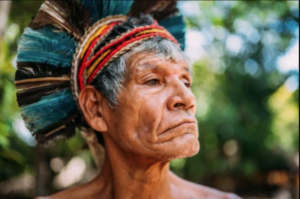
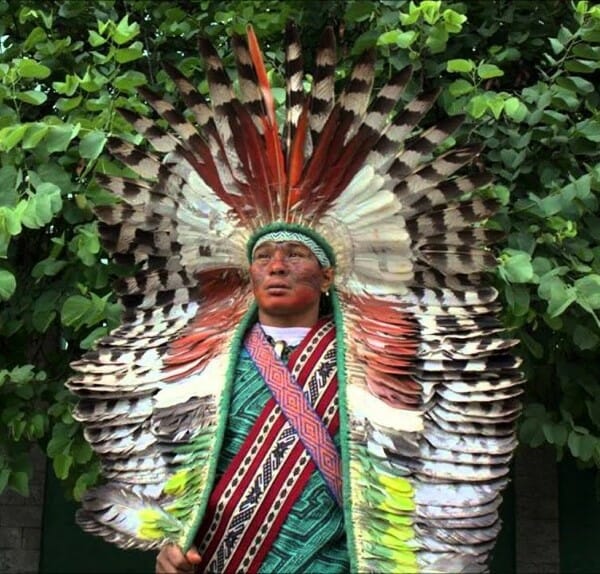
This Rapé Caneleiro comes from the Yawanawa tribe. The Yawanawa are known for their snuffs, which are distinguished by their high ash content.
Common names: Caneleiro, Canela de Velho, Maraximbé or Fava do Campo
Tribe: Yawanawa
Origin: Acre, Brazil.
Rapé Caneleiro
This Rapé Caneleiro comes from the Yawanawa. The Yawanawa tribe is known for their snuffs, recognized for their high ash content. This gives their Rapé a unique energy. This Rapé connects to the third Chakra. Rapé Caneleiro is very thorough in its properties. It helps a lot in health working mainly in the regeneration of cells and the balancing of hormones. Fire is the spiritual element this rapé connects to.
For rapé Caneleiro they use the ashes of the bark from Cenostigma macrophyllum. To the Indians in Acre, Caneleiro and Canela de Velho are very similar in their properties and treat them in the same way. Still, they are two different but very related trees.
About Cenostigma macrophyllum
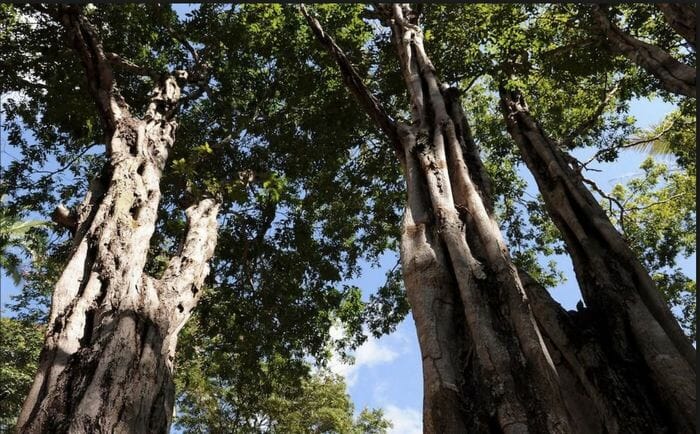
Caneleiro (Cenostigma macrophyllum) is a flowering tree belonging to the Fabaceae/Leguminosae family. This tree showcases great beauty, especially during its perennial flowering periods. It symbolizes the city of Teresina. Researchers recorded this Brazilian species for the first time in Mato Grosso over 150 years ago. The Caneleiro tree thrives in the North, Northeast, Midwest, and Southeast regions of Brazil.
From September to December and from February to July, the tree becomes covered with clusters of yellow flowers. These flowers, which closely resemble orchids, attract numerous insects and birds with their fragrant scent. The Caneleiro tree typically grows between 10 and 20 meters tall.
Climate and Rapé Quality
Proper storage is crucial to maintaining the quality of rapé. Humidity, temperature, and air exposure fluctuations will affect the product over time. For instance, in colder or drier regions, rapé can lose its natural moisture, becoming brittle and harsh to use. On the other hand, in areas with seasonal humidity or inconsistent storage conditions, it can still clump or develop mold if precautions aren’t taken. Regardless of where you live, investing in airtight containers, storing rapé in a cool and dark place, and monitoring humidity levels will ensure that its aroma, potency, and texture are preserved. Proper storage shows respect for the sacred nature of rapé and ensures that you’re receiving its full benefits every time you use it.
Tips to Preserve Snuff Quality
To ensure your Rapé Caneleiro stays fresh and potent for as long as possible, especially in humid climates:
- Airtight Containers: Use containers with tight seals, such as screw-cap tins or vacuum-sealed jars, to minimize air exposure.
- Cool, Dark Storage: Store rapé in a cool, shaded area away from direct sunlight and heat sources. In tropical environments, consider using a climate-controlled storage space.
- Avoid Frequent Opening: Minimize the time the container is open to prevent exposure to fluctuating humidity and air.
Handling & Preparation of Rapé Caneleiro
I sieve Rapé Caneleiro and all other snuff in my shop using a 120-micron, high-grade stainless steel mesh. This meticulous process ensures:
- An exceptionally fine powder.
- Consistent fineness in every batch.
- Removal of unwanted particles.
- Optimal absorption and effectiveness.
To preserve quality, I store all rapé in dry, vacuum-sealed containers. These careful steps ensure every product meets the highest standards of freshness and effectiveness.
Maintaining Freshness and Potency
- The stockroom is always kept:
- Cool and dark to preserve the blend’s freshness and potency.
- Free from excessive moisture and humidity, which can quickly ruin rapé.
- I take extra precautions to:
- Protect rapé from heat, light, and air exposure.
- Keep everything organized for easy access and quality control.
Labeling Process
- I handle the labeling myself to avoid:
- Mislabeled products.
- Misplaced batches.
When someone orders rapé, they can trust they’re receiving exactly what they asked for. While I strive for perfection, I occasionally make small mistakes, but these are rare and will be corrected.
Handling New Stock
When new shipments arrive, I carefully transfer the rapé into proper containers. This minimizes unnecessary exposure to air or light. I also:
- Rotate stock regularly to ensure older batches are used first.
- Store rapé in vacuum-sealed containers to maintain its freshness and quality.
Respecting the Product
Handling rapé is not complicated, but it requires attention to detail. For me, it’s about respecting the product and ensuring it reaches customers in the best possible condition.
Armando, Shop Owner
| Weight | N/A |
|---|---|
| Available in | 1 gram, 10 grams, 20 grams, 40 grams |
Related products
-

Rapé Yawa Menta
From: €3,00Select options This product has multiple variants. The options may be chosen on the product page -
Rapé Tsunu Rasú
From: €3,00Select options This product has multiple variants. The options may be chosen on the product page -
Rapé Murici Cumaru
From: €3,00Select options This product has multiple variants. The options may be chosen on the product page -
Rapé Kaxinawa
From: €3,00Select options This product has multiple variants. The options may be chosen on the product page