The Shawãdawa
Resilient People
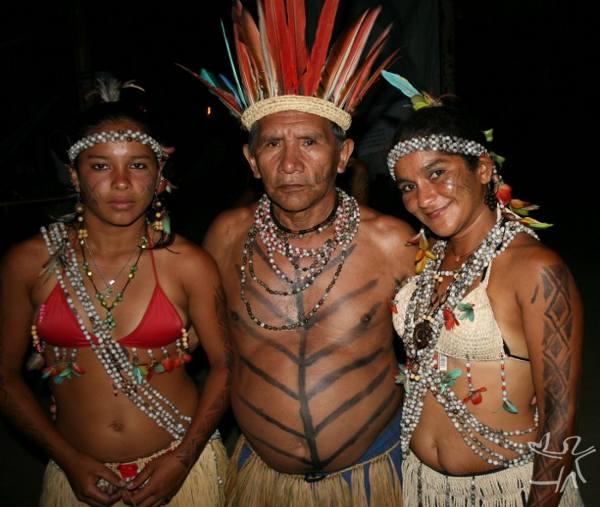
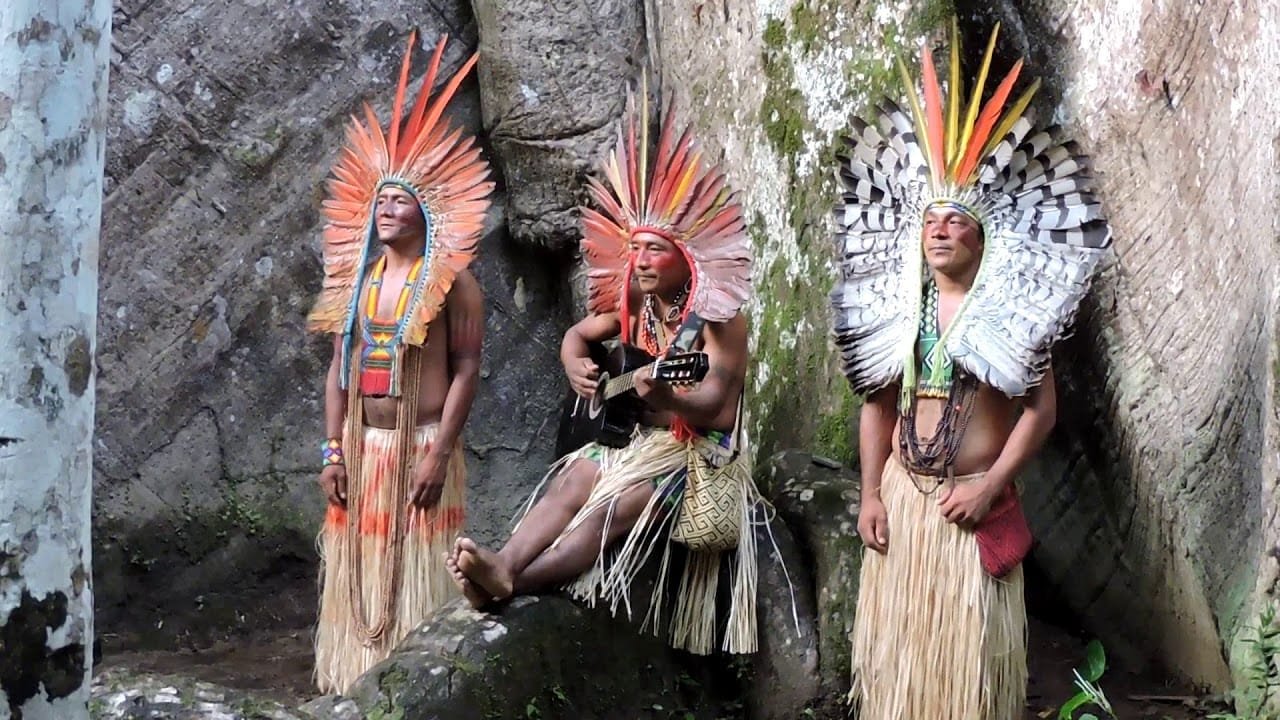
The Shawãdawa, also known as the Arara, are a tribe that inhabits the upper Jurua River basin in Acre, Brazil. This indigenous group has faced significant challenges since the late 19th century due to incursions and exploitation during the rubber boom. Despite these hardships, they have preserved and revitalized their language, culture, and traditions.
Cultural Renaissance
Since the early 1990s, the Shawãdawa have made efforts to “rescue” their language and cultural heritage. The elderly serve as the “guardians of memory,” playing a critical role in transmitting myths, rituals, and knowledge to younger generations.
Since the early 1990s, the Shawãdawa have made efforts to “rescue” their language and cultural heritage. The elderly serve as the “guardians of memory,” playing a critical role in transmitting myths, rituals, and knowledge to younger generations.

Territory and the Struggle for Rights
The Shawãdawa reside on officially demarcated Indigenous lands and continue their fight to protect their territories. The forest is essential to their identity and is home to natural medicines crucial to their way of life. The defense of their land and its biodiversity remains a core pillar of their cultural survival.
The Importance of Sacred Medicines
Sacred medicines, such as Rapé (Rupusuti, Mariri, Catinga de Mulata ) and Ayahuasca, play a central role in Shawãdawa life. These practices are not only for physical healing but are also deep explorations of ancestral knowledge and spiritual strengthening.

Snuff Ritual
Rapé is used in rituals to strengthen the spirit and prepare individuals to face challenges, helping them understand traditional diets and the power of sacred plants and medicines.
Shamanic Practices and Rituals
The Shawãdawa engage in a variety of mariri (ceremonies) like Kambo application, and sinbu (ayahuasca), and of course rapé application. These practices are essential for the cohesion of the group and the preservation of their cultural identity.
Knowledge Transmission
Young members of the Shawãdawa tribe are showing a renewed interest in learning the rituals and myths passed down by their ancestors. This ensures that the rich traditions of the Shawãdawa remain vibrant and relevant today.