The Kuntanawa
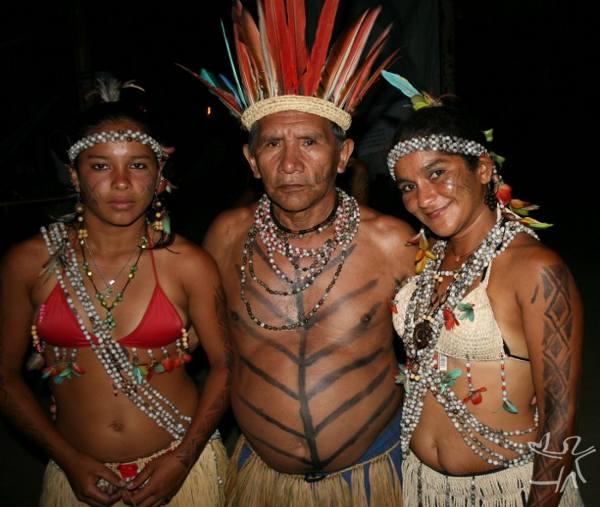
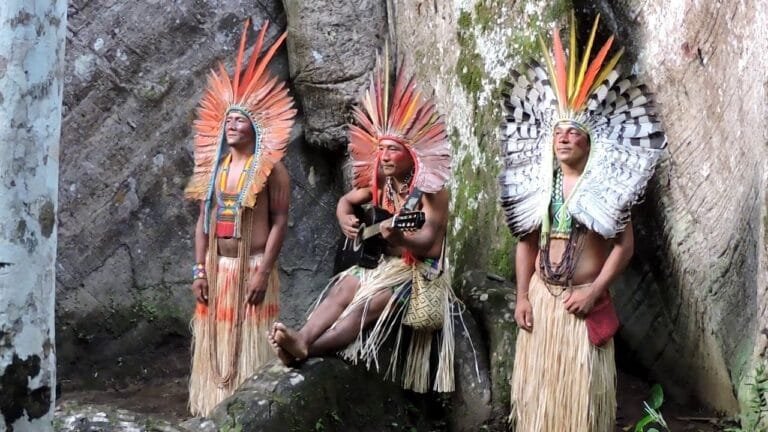
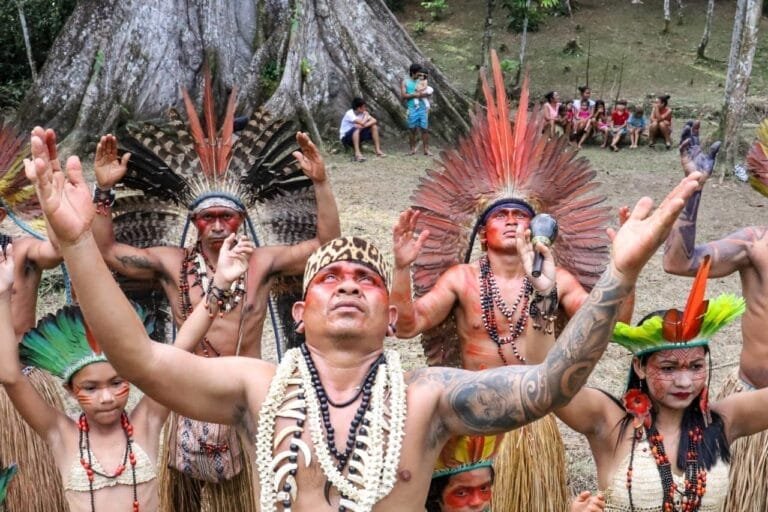
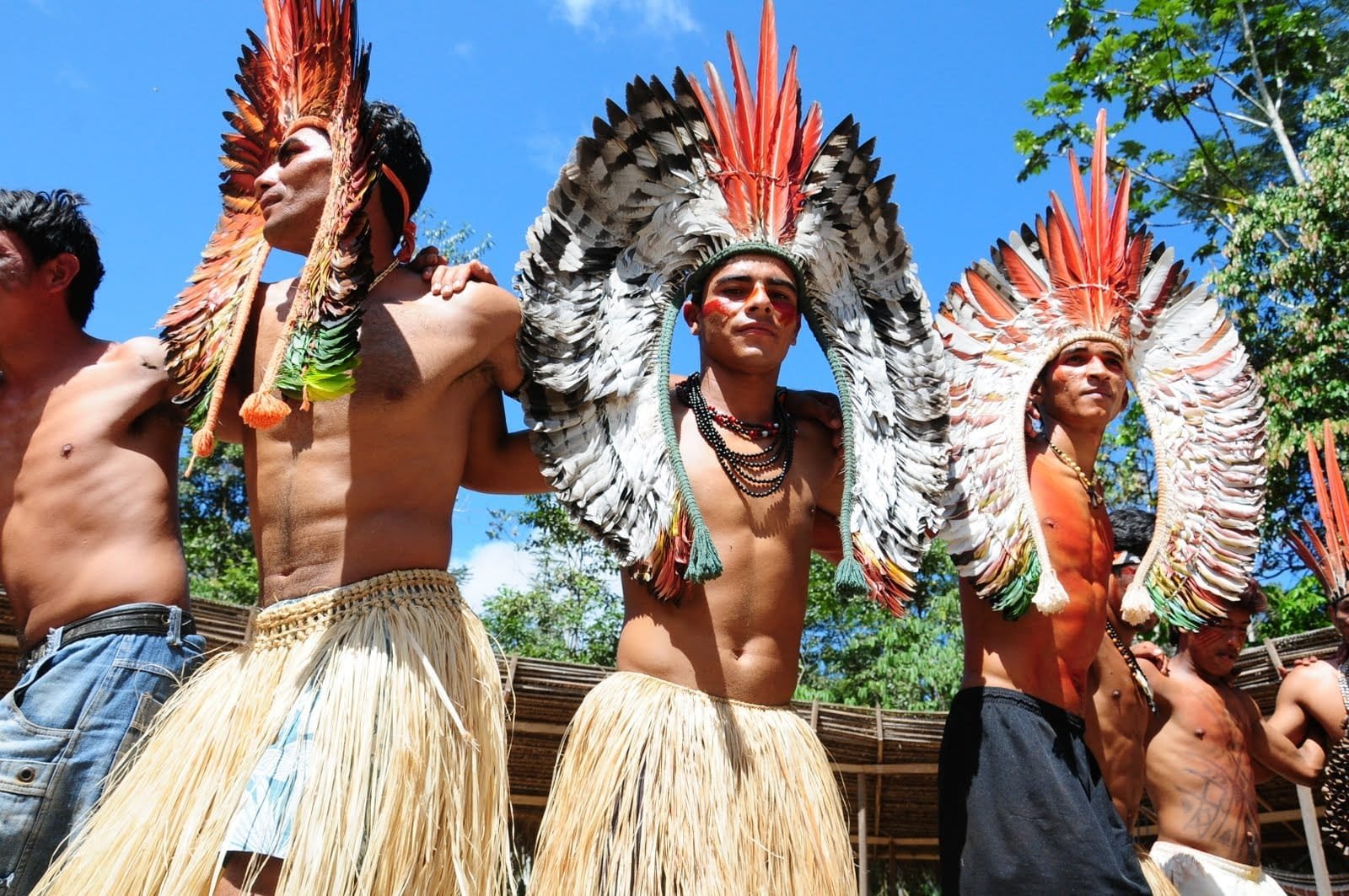
The Kuntanawa people, once a thriving indigenous tribe in the Amazon, have faced near extinction, primarily due to the violent impacts of the rubber boom in the late 19th and early 20th centuries. Many Kuntanawa were forced into labor, suffered from diseases, and experienced violent displacement, reducing their numbers dramatically. Today, the number of individuals with true Kuntanawa heritage is extremely small. As a result, the Kuntanawa are no longer considered a fully intact tribe in the traditional sense.
Despite this, efforts have been made to preserve and revitalize Kuntanawa culture, especially through the reconstitution of the community. Although the tribe’s population has diminished, a few descendants of the original Kuntanawa work hard to reclaim their cultural identity and ancestral connection to the Amazon rainforest. This includes the preservation of traditional knowledge, spiritual practices, and environmental stewardship.
Their struggle today is deeply tied to the fight for their land rights and protection of the Amazon, which continues to face threats from deforestation, illegal logging, and agribusiness encroachment. The Kuntanawa people’s survival and their efforts to protect their culture and the forest are a testament to their resilience.

Their relationship with rapé.
Rapé is a key part of their traditional spiritual practices and is used for a variety of purposes, including cleansing, grounding, and healing. Like many other Amazonian tribes, the Kuntanawa believe that rapé helps align the body, mind, and spirit, opening pathways for clarity, spiritual insight, and connection with nature.
For the Kuntanawa, rapé is not merely a tool for individual healing but also plays a role in their larger relationship with the rainforest. The use of sacred plants like rapé reflects their deep respect for the land and the belief that the forest provides both physical and spiritual sustenance. The Kuntanawa approach to rapé emphasizes its role in maintaining balance with the natural world and fostering a deeper connection with ancestral knowledge.
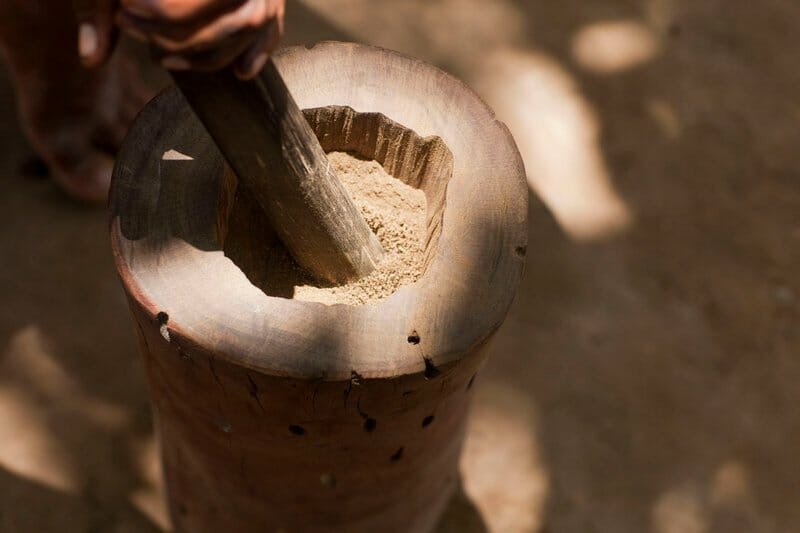
Kantanawa rapé production
The production of rapé by the Kuntanawa people plays a vital role in preserving their cultural traditions while also offering a sustainable source of income. The preparation and use of rapé are deeply embedded in Kuntanawa spiritual practices, serving as a way to maintain their ancestral knowledge and connection to the Amazon rainforest. By continuing to produce and distribute rapé, they can keep these cultural traditions alive, passing down the wisdom and techniques of plant medicine preparation to future generations.
Thus, rapé production serves a dual purpose: it safeguards the Kuntanawa’s rich cultural legacy while contributing to their economic resilience.
Types of Kuntanawa rapé
While their numbers are low, they still produce a broad variety of rapé types. Below is a list of all the Kuntanawa types available in the shop